
Key points:
Researchers successfully tested a technique that uses human sewage to measure the use of nicotine products such as cigarettes and vaping pens in a selected community.
The project, led by scientists at UC Merced, can strengthen...

UC Merced Research
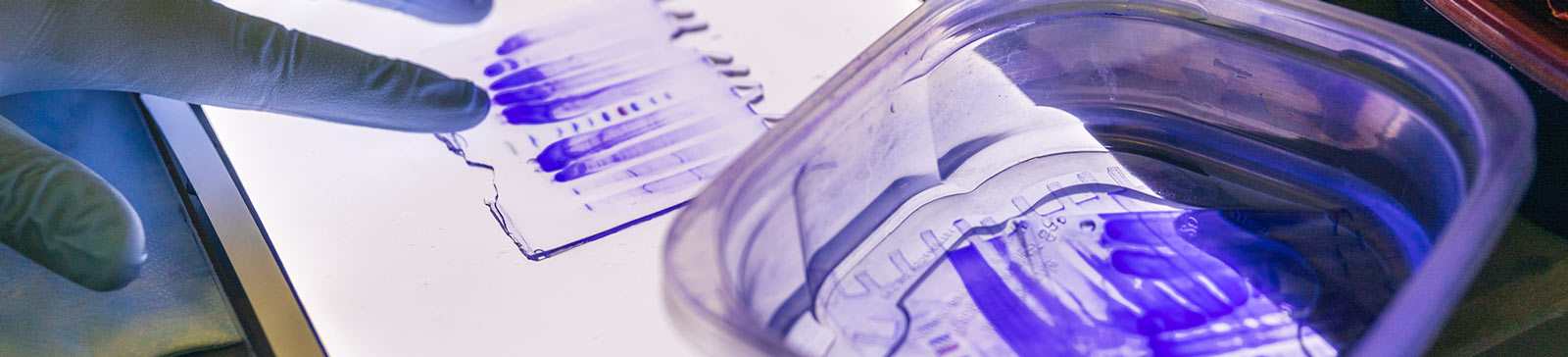
As it is at all University of California campuses, research is the cornerstone of UC Merced. Innovative faculty members conduct interdisciplinary, groundbreaking research that will solve complex problems affecting the San Joaquin Valley, California and the world. Students — as early as their first years — have opportunities to work right alongside them, sometimes even publishing in journals and presenting at conferences.
Top Articles

Key points:
• Researchers found that heat waves are a critical enabler and driver of wildfire-burned areas across the western U.S.
• The findings suggest that heat waves contribute not only to increased flammability, but to longer burn periods...
Research isn’t limited to labs with beakers and microscopes, though there are plenty of those here.
The list of UC Merced’s research strengths is long and includes climate change and ecology; solar and renewable energy; water quality and resources; artificial intelligence; cognitive science; stem-cell, diabetes and cancer research; air quality; big-data analysis; computer science; mechanical, environmental and materials engineering; political science; and much, much more.
The campus also has interdisciplinary research institutes with which faculty members affiliate themselves to conduct even more in-depth investigations into a variety of scientific topics.
Recent Articles
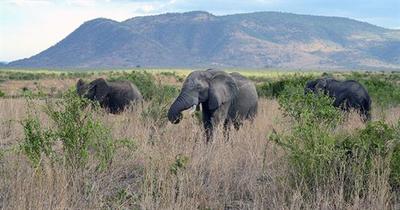
When people think of engineering in nature, they tend to think of species such as beavers — the tree-felling, dam-building rodents whose machinations can shape the landscape by creating lakes and changing the path of rivers.
But beavers are far from the...
By 2050, the U.S. population is estimated to grow to 400 million, and the world population to 9.1 billion, requiring a 70 percent increase in global food production.
UC Merced is one of four campuses across the country uniting to meet that challenge by...
Scientists know the whats and whys of using light, heat and electricity to direct chemical reactions toward an end goal. What’s less well understood are the effects mechanical force can have on chemistry.
Thanks to a three-year, $1.8 million National...
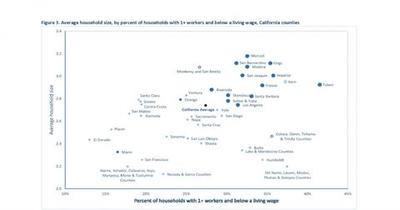
California counties with high numbers of low-wage workers are seeing higher incidence of COVID-19, suggesting a link between so-called “worker distress” and spread of the virus, according to a new study by UC Merced’s Community and Labor Center.
While...

Maybe now more than ever, scientists need to understand the immune system.
A new National Institutes of Health grant is funding a cross-disciplinary collaboration between bioengineering Professor Joel Spencer and immunology Professor Jennifer Manilay...

The Merced nAnomaterials Center for Energy and Sensing (MACES) —UC Merced’s NASA-funded center for nanomaterials-based research and education — has received a two-year, $1.8 million renewal from the federal space agency....